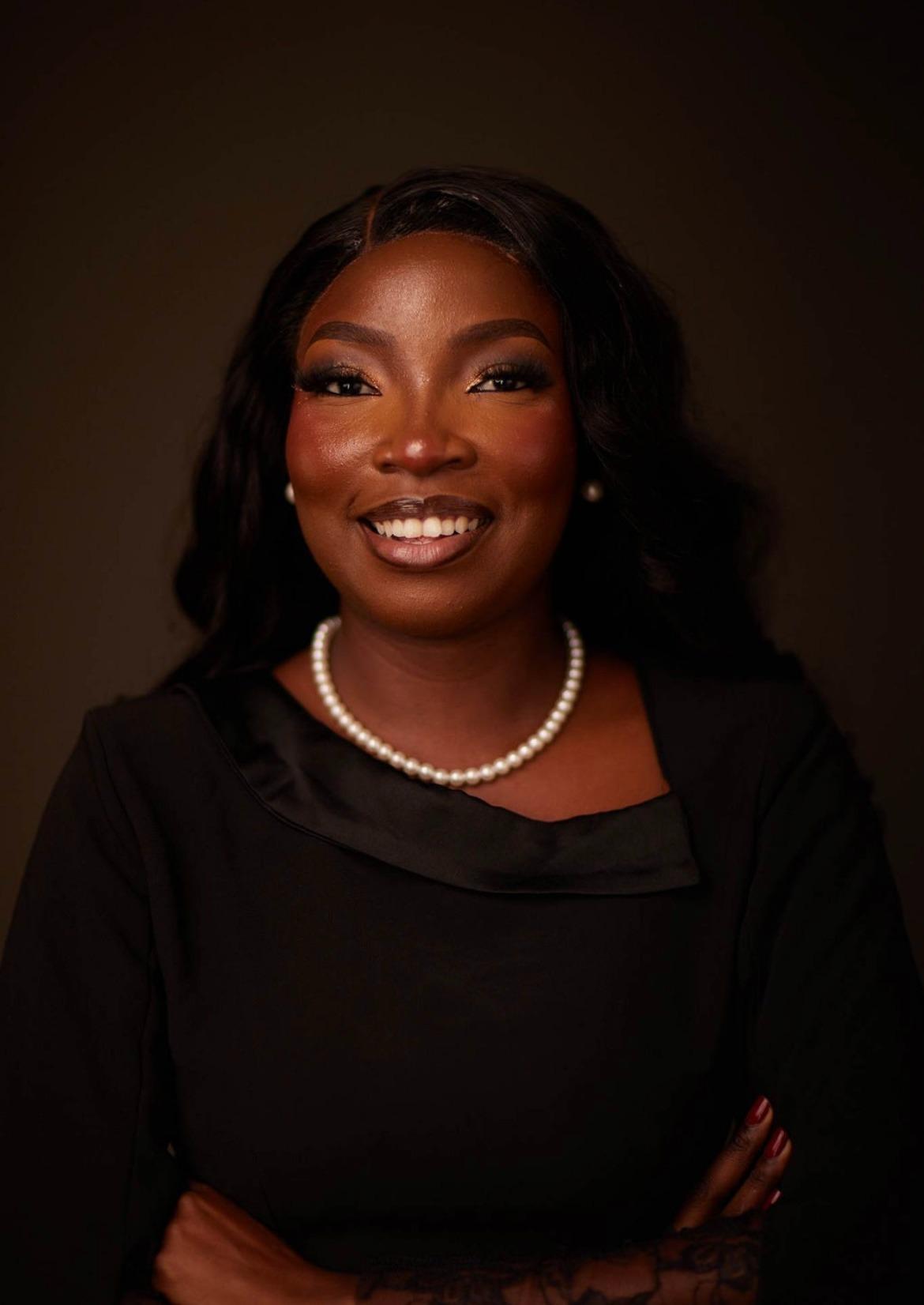
Oyindamola Olawunmi
Sustainability and AI: how algorithms, digital platforms, and data-driven tools can promote eco-friendly behavior and responsible consumption.
The Human-Tech Dynamics Lab does the research; the NextGen AI Lab takes it to the public. Both ask how people and intelligent technology shape each other.
Research lab
We study the complexities of human-technology interaction and its psychological, social, and cultural impacts — AI, social media, multitasking — with surveys, experiments, interviews, longitudinal studies, physiological measurement, and ecological momentary assessment.
Current projects: human–AI collaboration via eye-tracking, the development of AI companionship over time, and how AI can persuade and correct misinformation.
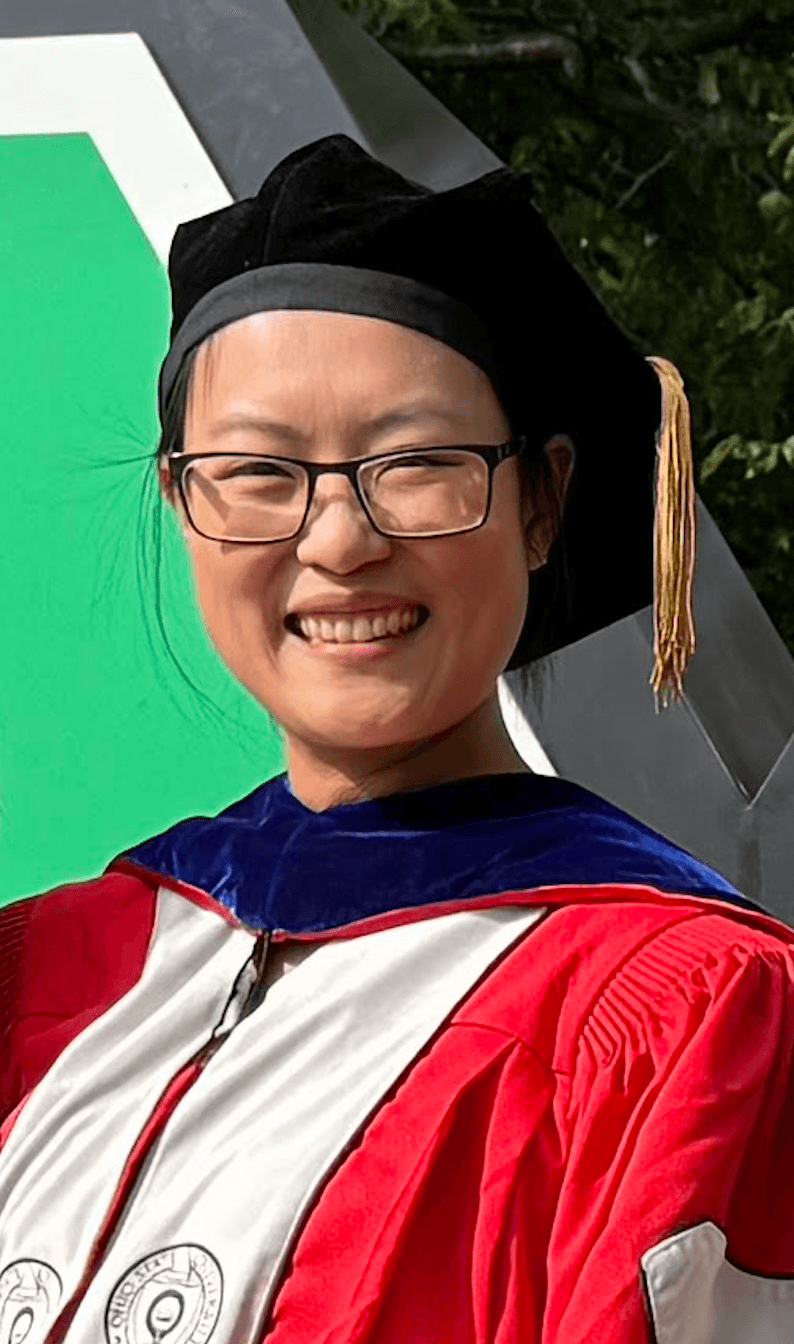
Ph.D. in Communication with a concentration in Quantitative Psychology, The Ohio State University (2022). Uses quantitative methods to examine how people interact with communication technologies and AI, especially in organizational and health contexts.
Sustainability and AI: how algorithms, digital platforms, and data-driven tools can promote eco-friendly behavior and responsible consumption.
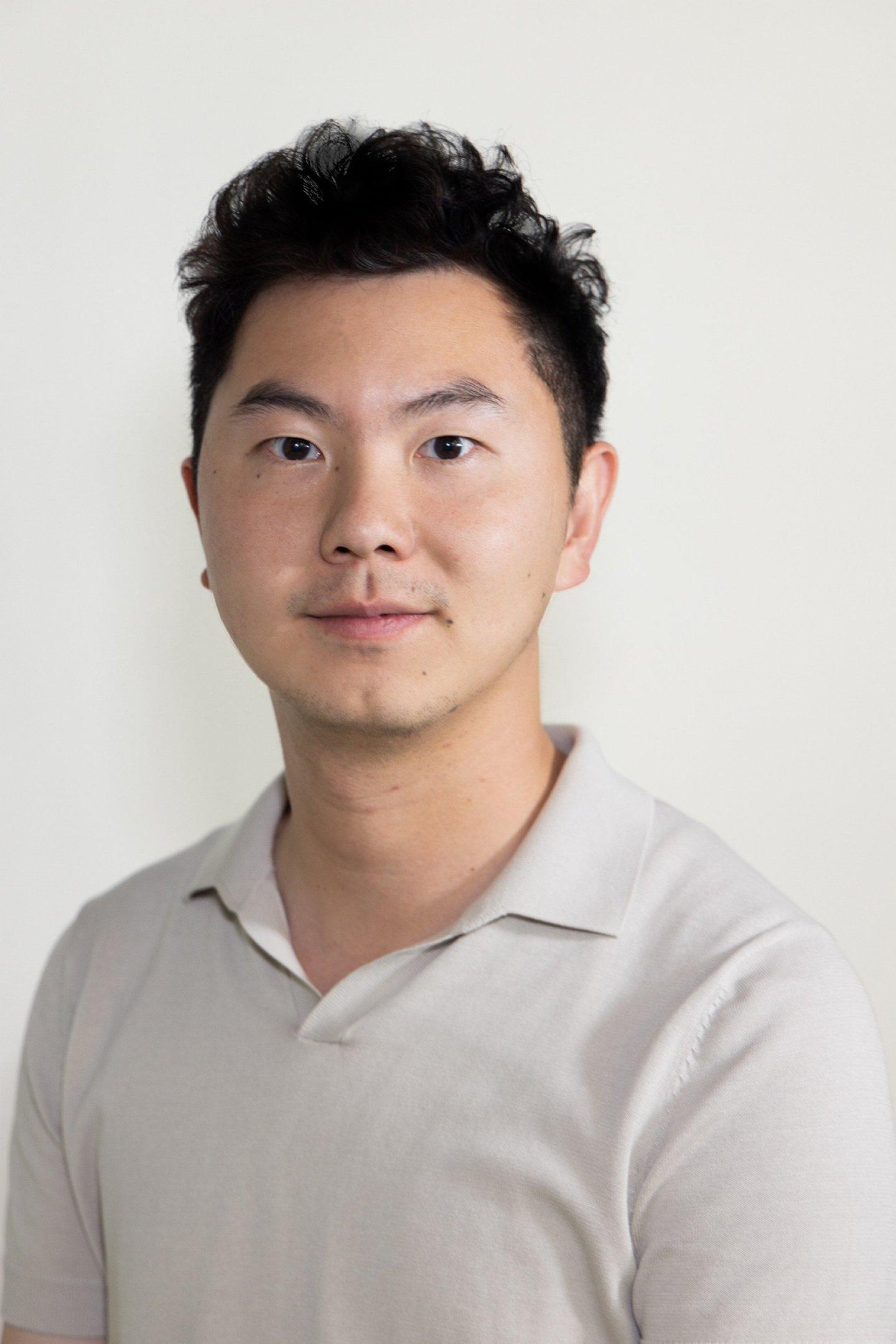
Assistant Professor. Health communication, computer-mediated communication, and persuasion resistance — how people evaluate health messages from influencers and AI.

Ph.D. student. How AI can be integrated into human communication — particularly education — to strengthen social and learning outcomes.

Graduate student and TA. The emotional capacity of social chatbots as companions — and how AI can offer meaningful support to people lacking it in real time.
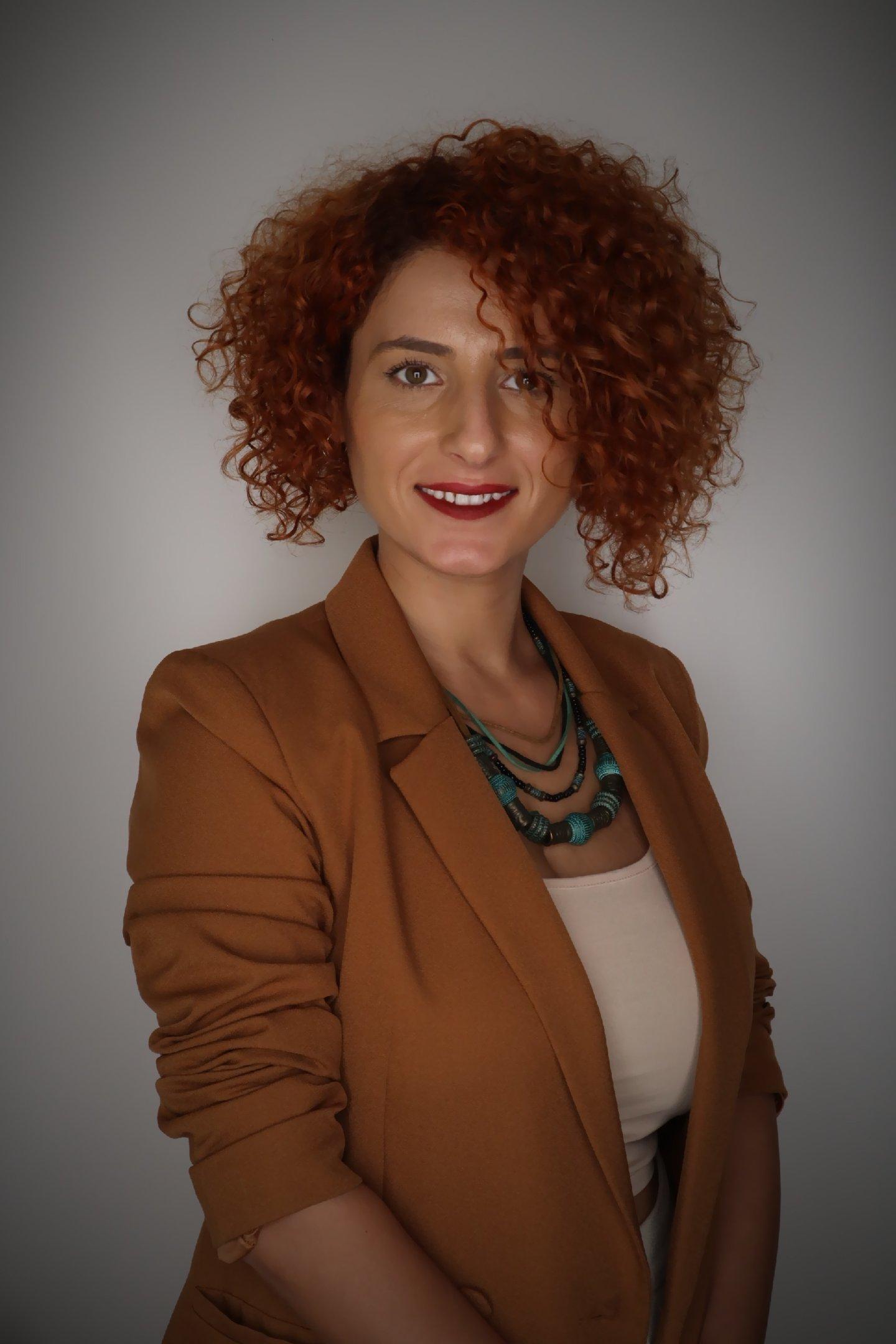
Ph.D. student. Forgiveness and patriarchal violence in close relationships, and how AI shapes interpersonal and instructional communication.

Graduate instructor and RA. Strategic, health, and persuasive communication — AI-mediated communication in health and education contexts.

Graduate student. AI and human interaction, large datasets, and new approaches to understanding digital interactions.
Community initiative
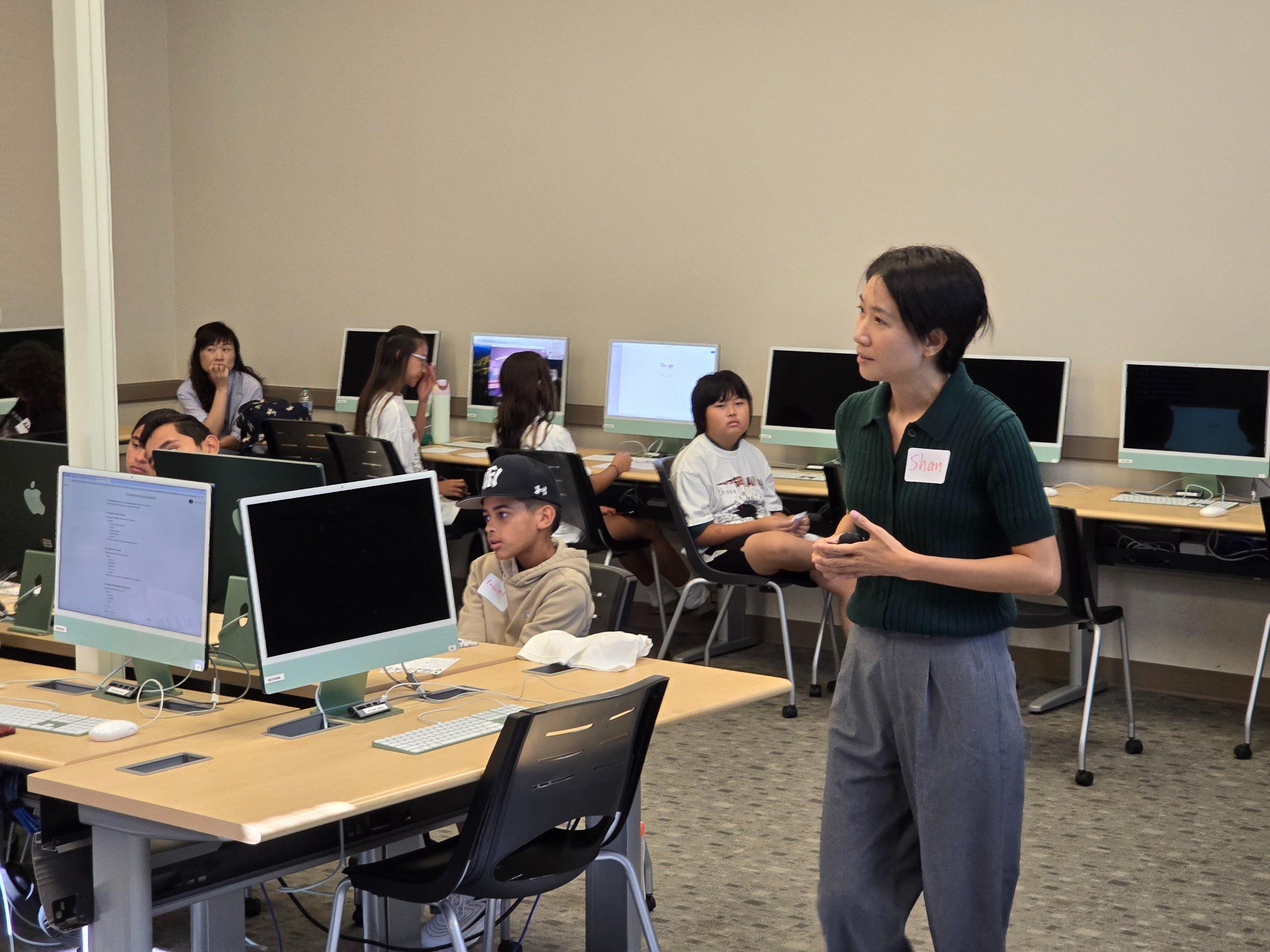
A community-facing initiative making research on human–AI interaction accessible to the public. Through workshops, outreach, and public education, the lab translates AI research into conversations and learning opportunities for all ages — helping communities understand how AI shapes their lives, and how they can shape it back.
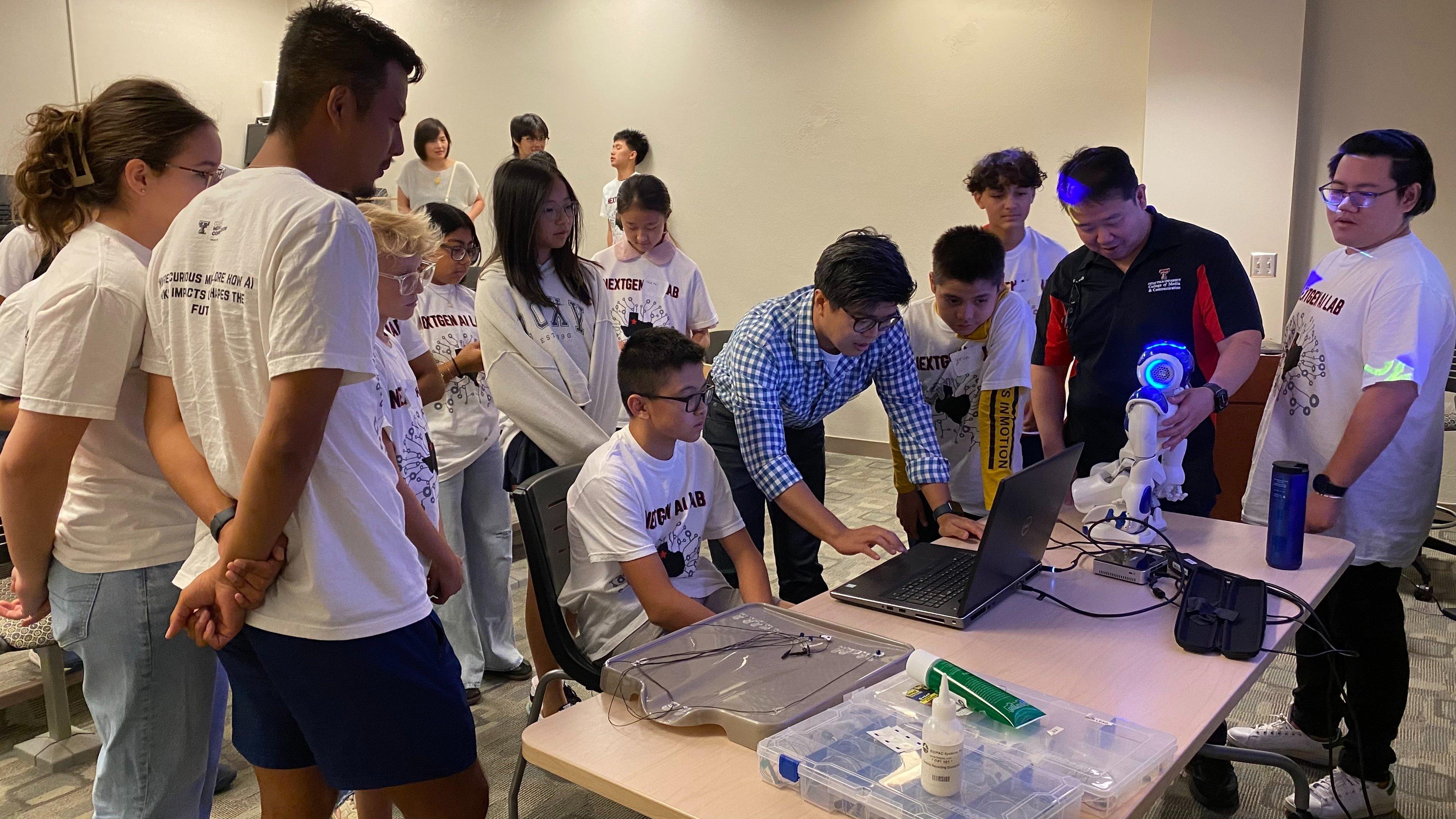
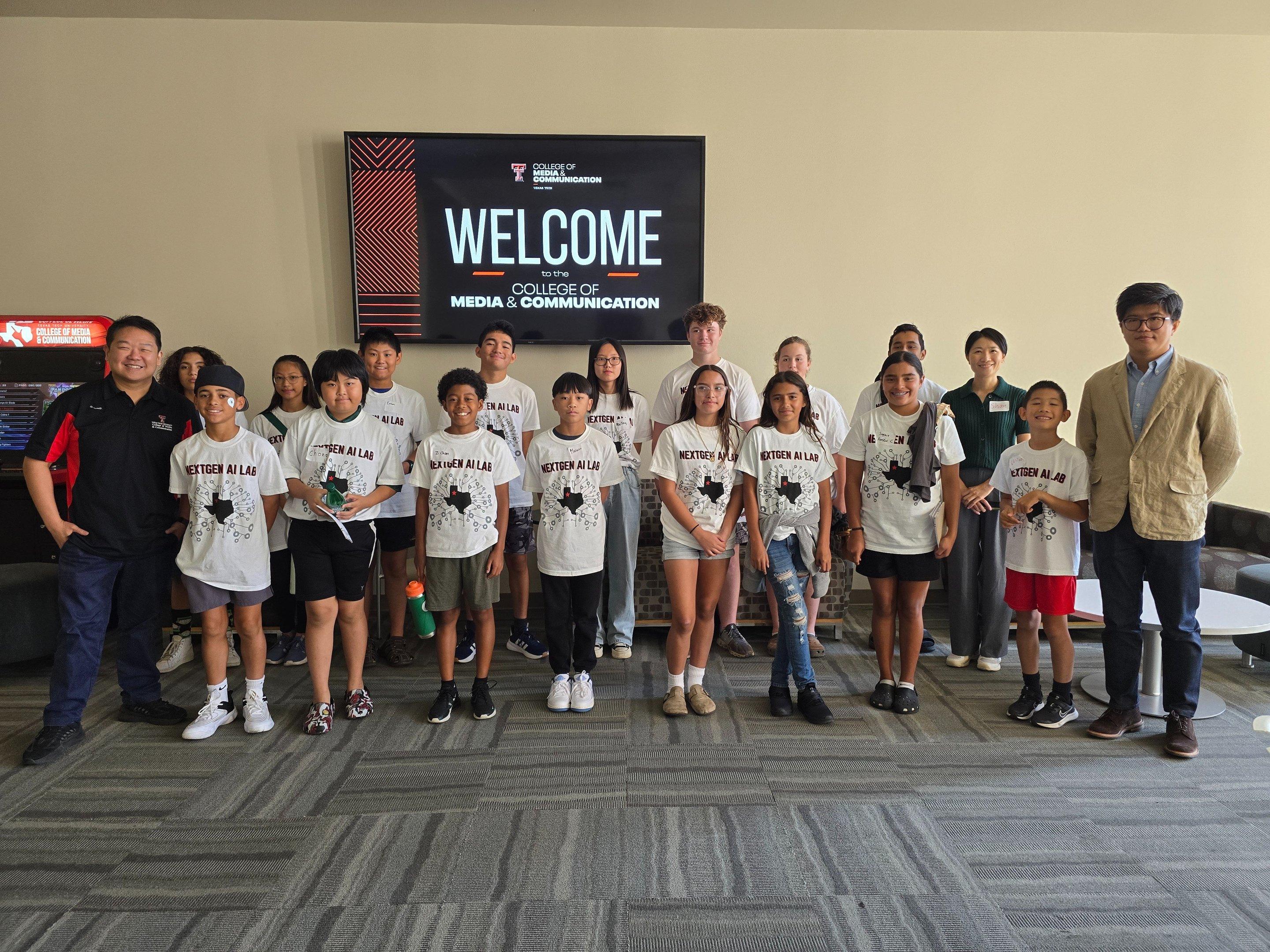
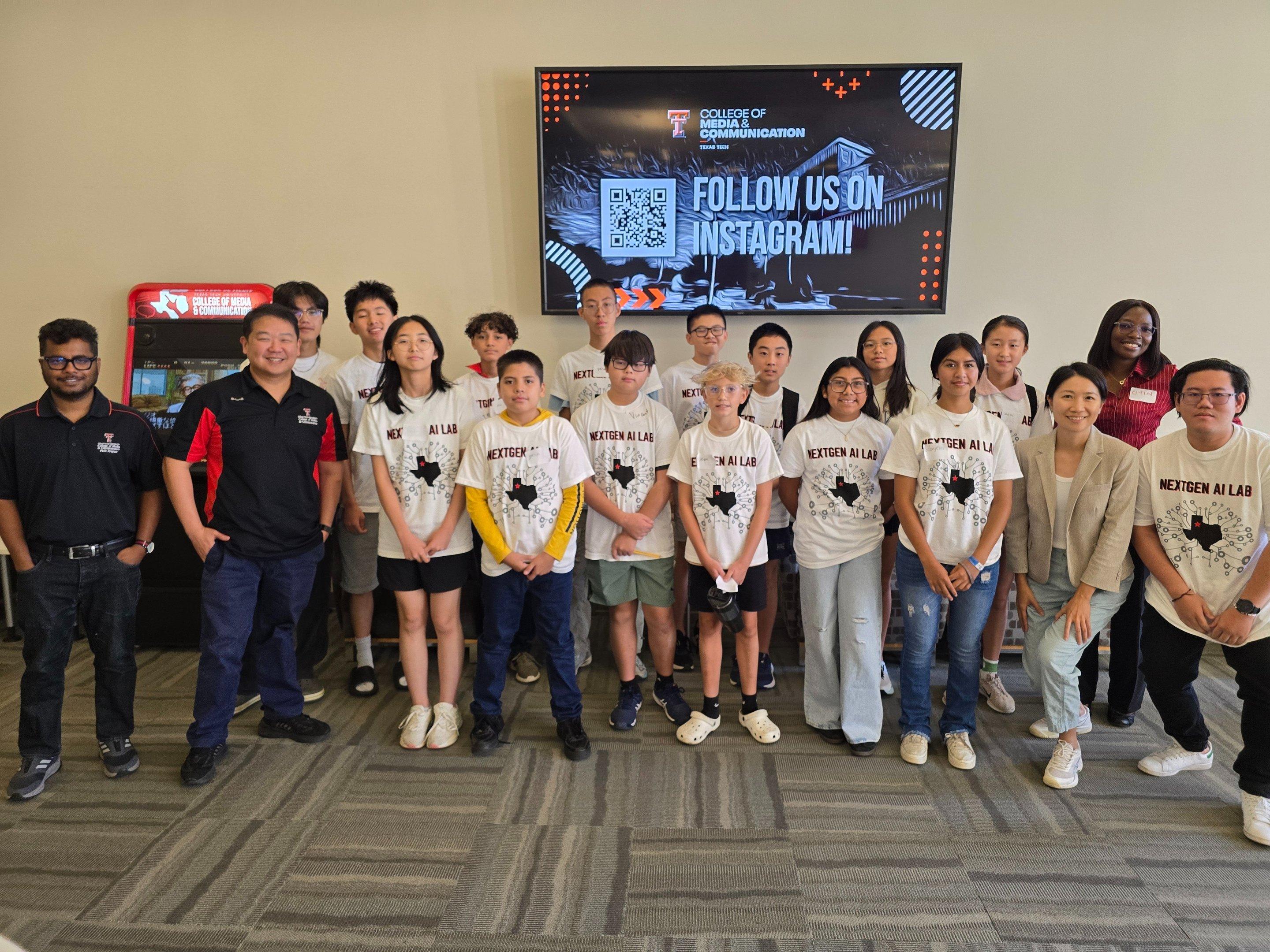
The university's first AI workshop for teens: more than 30 students from Lubbock County school districts spent two days on what AI is, how to use it critically and responsibly, and how it shapes learning and social interaction — including a tour of the Center for Communication Research and its eye-tracking tools.